Inhaling tiny particulates of stone, ceramics, glass, and other materials has been a health risk for builders (or laborers) for millennia. It is a newer problem when the small particulates contain synthetic resins and chemicals.
In July 2024, Australia became the first country to ban engineered stone. Lung damage from inhaling dust particles while cutting and fabricating quartz countertops was identified as potentially fatal. The tiny particles contain respirable crystalline silica (RCS), which impact the respiratory tract and scar lung tissue.
Over time, the inhalation of silica dust, or silicon dioxide (Si02), can lead to difficulty in breathing and silicosis, a respiratory disease. Stonemasons and construction workers involved in the crashing, cutting and drilling and sanding of stone are exposed to the tiny particulates released into the air and can remain airborne for extended periods of time in their workplace.
Australia’s ban on engineered stone aims to protect workers affected by silicosis.Researcher Sheiphali Gandi, cited in the Guardian, states that “ 15 to 20% of people who work in this field have silicosis or will develop the disease.” in the EU It is estimated that 32 Million workers who work in mining, quarrying, stone crushing, material fabrication and installation are affected. The risk of developing silicosis is based on a variety of factors from the product’s chemistry and particle size to the worker’s genetics. Wearing precautionary and task-appropriate PPE is essential for workers to mitigate dust inhalation. Dust control is the best preventable method for protecting workers. Suppressing the dust with a wet method is also recommended.
32 Million workers in the EU are affected by silicosis.
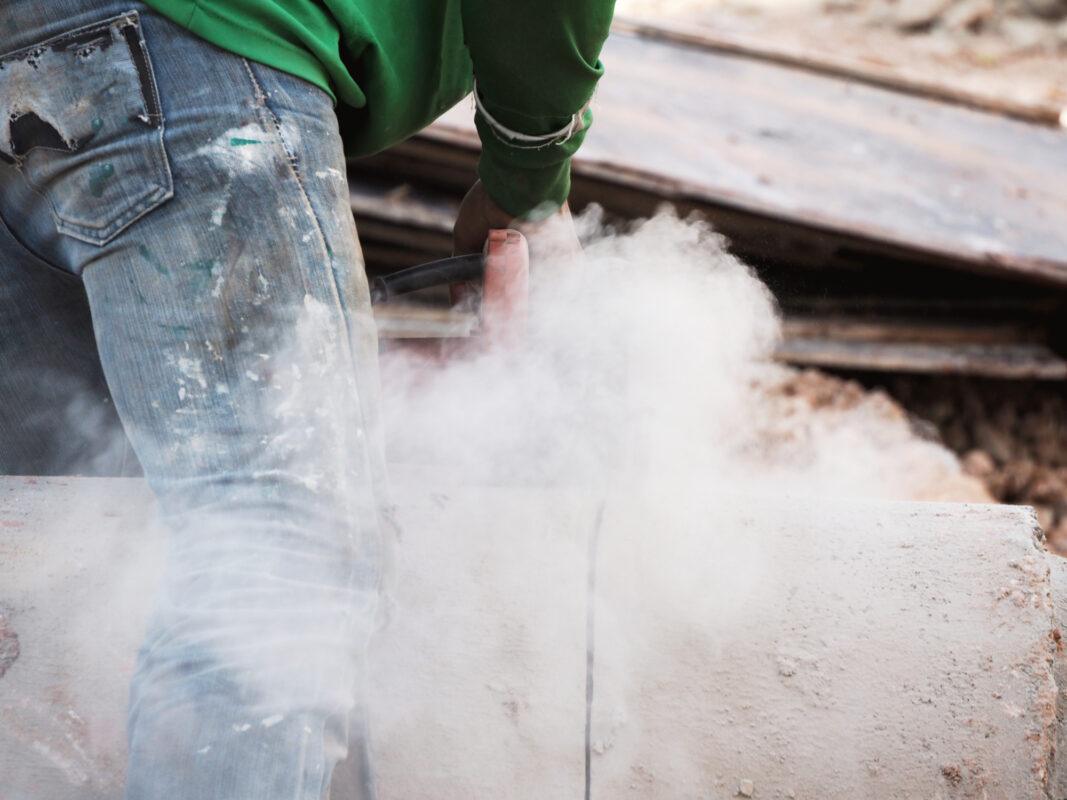
Adobe Stock Image
Silica is not the only harmful material in engineered stones. Engineered stone requires resin binders which are made from petrochemicals that are harmful to human health.. At HML, we ask the question: how much does the current crisis stem from exposure to the tiny particles of resin dust in addition to silica?
The resins commonly used to make engineered countertops are polyester-styrene, acrylic, epoxy, polyurethane and methacrylate polyethylene. . Epoxies are linked to fertility issues, skin diseases and cancer. Resins can contain cobalt, a carcinogen affecting reproductive health, and the manufacturing process introduces styrene as a co-monomer to dilute resins, a neurotoxicant and carcinogen. Resin particulates are lighter in weight and may stay in ambient air longer than mineral particulates, increasing the time of exposure and potential for inhalation into the body.
While links to extreme silicosis from resin particles directly are currently under scrutiny, we do know that resin binders emit VOCs when materials are cut, leading to kidney, liver and nervous system dysfunction Due to health implications associated with resins, further investigation is needed regarding the effects of resin-impregnated engineered stone on higher silicosis rates.
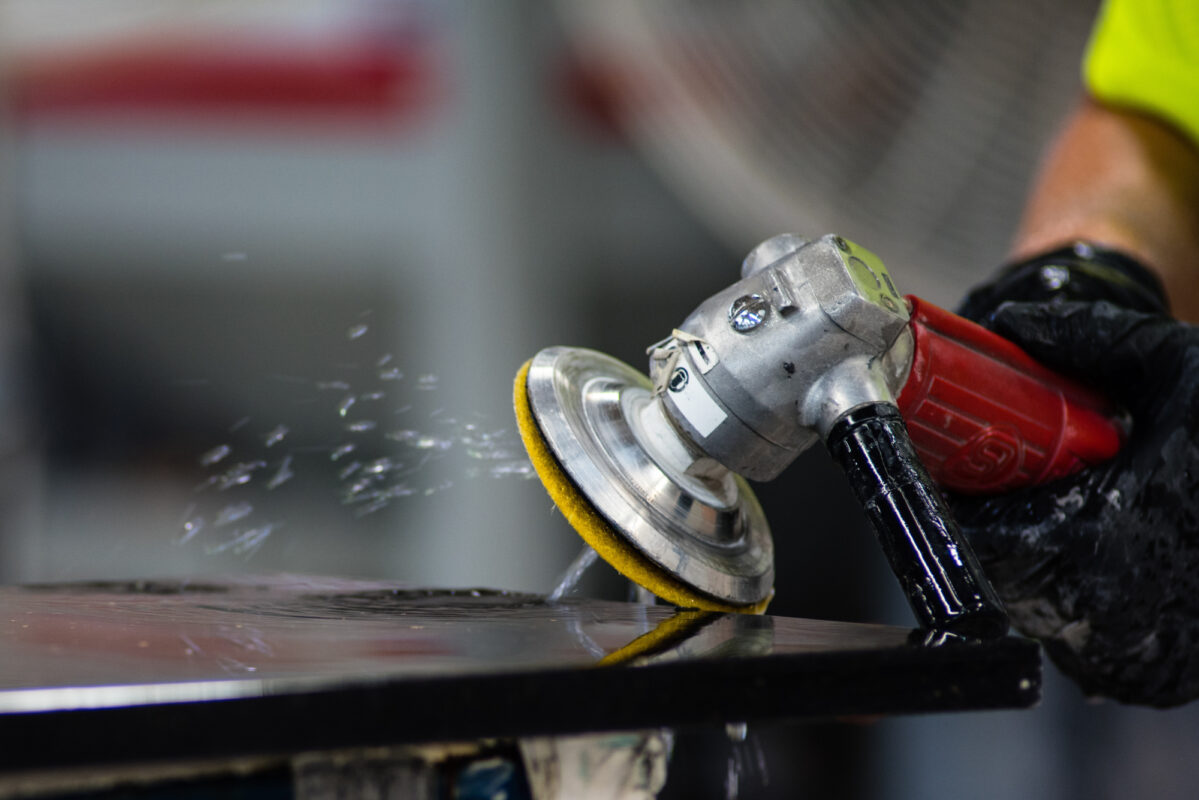
Adobe Stock Image
As often used for bathroom and kitchen countertops where we place our food, material health for countertop products is essential to human health. A healthier material option on the market is sintered stone. Sintered Stone was classified as a new material by the European Commission in 2023. Lapitec is produces a material which meets the requirements to be recognized as sintered stone. Made of Zircone, Ematite, Corindone, Wallastonite, Mullite, Albite, and Anortite, the natural minerals create a unique composition different from natural stone and composite surfaces and will not fall under the engineered stone ban.
Lapitec’s sintered stone structure is bound together through a vacuum compression, dried and sintered using heat and pressure. It is an alternative to marble and does not contain resins, silica or cement. It has a naturally durable and stain resistant surface eliminating the need for a toxic sealant. The process is also reversible and could be recycled at the end of its life into a new material. Other companies are developing their own versions of sintered stone, so look for material disclosure to confirm they do not contain silica and resins.
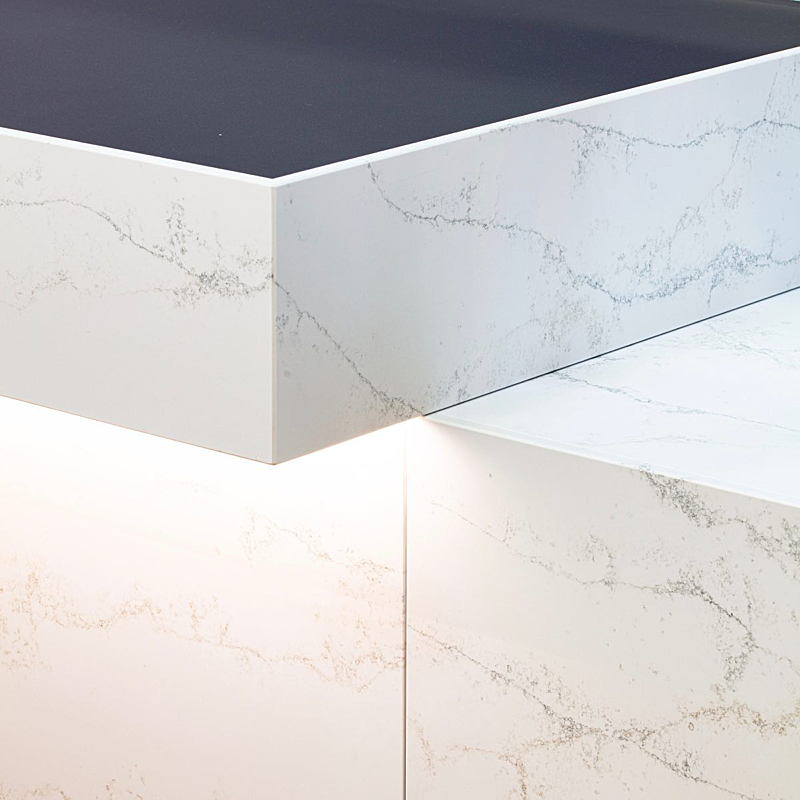
Lapitec’s Sintered Stone
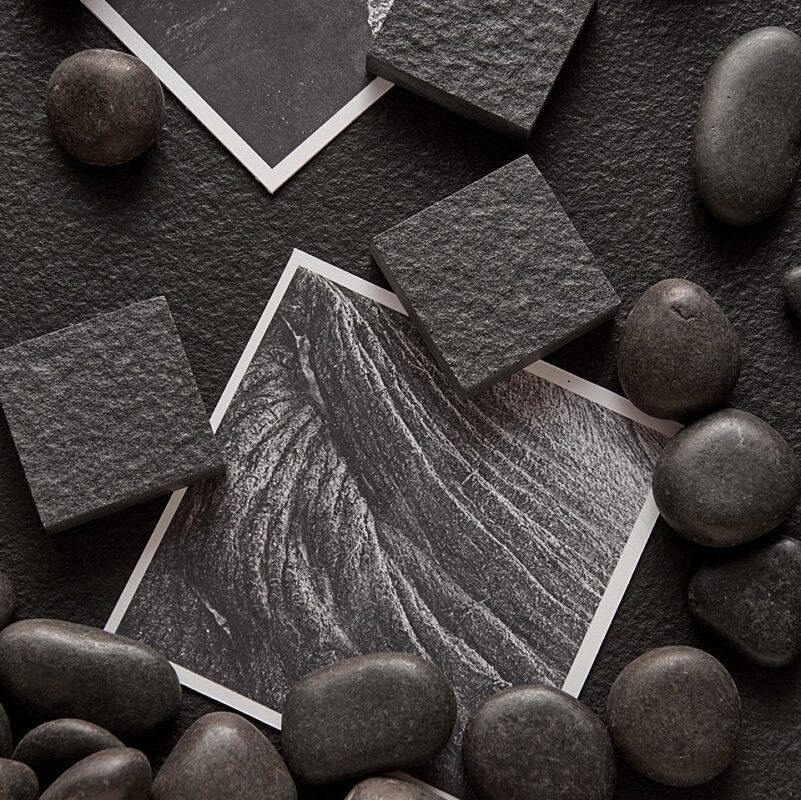
Lapitec’s Sintered Stone, Essenza Collection
Stay tuned as we continue our research!
Find healthier countertop options in the Countertop Material Collection.
Read More
Join Our Academic Network
Get Access to our carefully researched and curated academic resources, including model syllabi and webinars. An email from an academic institution or a .edu email address is required. If your academic institution does not use .edu email addresses but you would like to join the network, please contact healthymaterialslab@newschool.edu.
Already have an account? Log in